

The Critical Role of UPS and Battery Systems in Modern Operations
In today’s digitally connected world, uninterrupted power supply is essential for businesses, industries, healthcare facilities, data centers, telecommunications networks, and critical infrastructure. Even a brief power interruption can lead to data loss, equipment damage, operational downtime, and significant financial losses.
A UPS (Uninterruptible Power Supply) system, supported by reliable battery banks, provides immediate backup power during utility failures, ensuring continuous operation of critical equipment until the mains power is restored or a generator takes over.
Why UPS and Battery Systems Are Important
1. Business Continuity
UPS systems eliminate disruptions caused by power outages, voltage fluctuations, and electrical disturbances, allowing businesses to continue operating without interruption.
2. Equipment Protection
Sensitive electronic equipment such as servers, medical devices, industrial automation systems, and communication equipment can be damaged by power anomalies. UPS systems provide clean and stable power to protect these assets.
3. Data Protection
Sudden power loss can result in data corruption and system crashes. UPS systems provide sufficient backup time for controlled shutdown procedures, preventing data loss.
4. Improved Reliability
A properly designed UPS and battery system enhances the overall reliability of electrical infrastructure, minimizing operational risks and downtime.
Types of UPS Systems
Offline (Standby) UPS
Offline UPS systems provide basic protection against power failures and voltage fluctuations. During normal operation, equipment is powered directly from the utility supply. When a power failure occurs, the UPS switches to battery power.
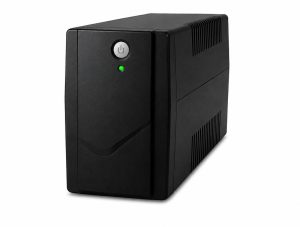
Applications:
– Personal computers
– Home offices
– Small business equipment
Line-Interactive UPS
Line-interactive UPS systems regulate voltage fluctuations without switching to battery power, making them suitable for areas experiencing frequent voltage variations.
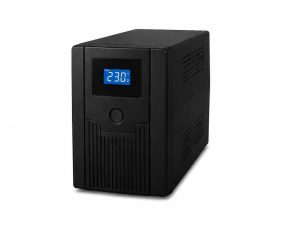
Applications:
– Small servers
– Network equipment
– Security systems
– Retail outlets
Online Double-Conversion UPS
Online UPS systems continuously convert incoming AC power to DC and then back to AC, providing complete isolation from utility power disturbances. They offer the highest level of power protection.
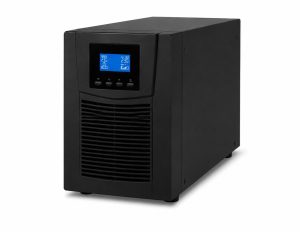
Applications:
– Data centers
– Hospitals
– Industrial facilities
– Banking institutions
– Telecommunications infrastructure
Types of UPS Batteries
Valve Regulated Lead Acid (VRLA) Batteries
Widely used due to their cost-effectiveness, reliability, and low maintenance requirements.
Lithium-Ion Batteries
Offer longer lifespan, faster charging, reduced footprint, and lower total cost of ownership over time.
Nickel-Cadmium (Ni-Cd) Batteries
Suitable for harsh environmental conditions and critical industrial applications.
Applications of UPS and Battery Systems
Data Centers
Continuous operation of servers, storage systems, and network infrastructure is critical. UPS systems prevent downtime and protect valuable data.
Healthcare Facilities
Hospitals depend on uninterrupted power for life-support equipment, diagnostic systems, operating theaters, and patient monitoring devices.
Industrial Facilities
Manufacturing plants utilize UPS systems to prevent production losses, equipment damage, and process interruptions.
Telecommunications
Communication networks require constant power availability to maintain connectivity and service reliability.
Commercial Buildings
UPS systems support emergency lighting, security systems, elevators, IT infrastructure, and business operations.
Banking and Financial Institutions
Banks rely on UPS systems to ensure continuous transaction processing, ATM operation, and data security.
Choosing the Right UPS Solution
Selecting the appropriate UPS system depends on several factors:
– Load capacity requirements
– Required backup duration
– Criticality of the application
– Available installation space
– Environmental conditions
– Future scalability requirements
A professional power assessment can help determine the most suitable UPS and battery solution for your facility.
Conclusion
UPS and battery systems have become indispensable components of modern power infrastructure. Whether protecting a small office network or a large-scale data center, investing in the right UPS solution ensures business continuity, equipment protection, and operational reliability.
At Benoit Technologies LLC, we provide comprehensive power protection solutions, including UPS systems, battery banks, installation, commissioning, maintenance, and technical support. Our team helps customers select and implement reliable power solutions tailored to their operational requirements.
Related Blogs : UPS maintenance tips in Qatar, How to choose UPS Suppliers in Qatar