

The best uninterruptible power supply for medical equipment depends on the equipment, clinical area and applicable electrical requirements. Critical equipment may require an online double-conversion UPS with appropriate runtime, redundancy or isolation arrangements, depending on the installation design and relevant standards. For UPS for hospitals in UAE, this usually means a unit from an established brand such as Borri, Chloride, Vertiv, ABB, Schneider, Eaton or Poweron, backed by proper local servicing and spare parts availability.
Key Takeaways
- Online UPS systems with zero transfer time protect sensitive medical devices from even the shortest power blips
- Isolation arrangements may be required in certain medical electrical installations, depending on the clinical area, equipment and applicable electrical safety requirements
- Capacity should be calculated with headroom, not squeezed to the exact load figure
- Local support and battery servicing matter as much as the UPS specification sheet
Introduction
Choosing the right uninterruptible power supply for medical equipment is one of those decisions that rarely gets attention until something goes wrong. A ventilator that stutters for even half a second, or a monitor that reboots mid-procedure, is not a minor inconvenience in a clinical setting. This guide walks through what separates a genuinely suitable hospital UPS from a generic office unit, what UAE facilities should be checking before they sign a purchase order, and how brands differ once you look past the marketing copy.
Why Hospitals Need a Dedicated UPS?
Grid power in the UAE is generally reliable, but reliable is not the same as flawless. Voltage sags, brief interruptions during switching operations, and the odd unplanned outage still happen, and hospitals cannot treat these as background noise. A hospital UPS system UAE facilities install has to bridge the gap between the moment mains power drops and the moment a backup generator picks up the load, which can be anywhere from a few seconds to close to a minute depending on the generator’s start sequence.
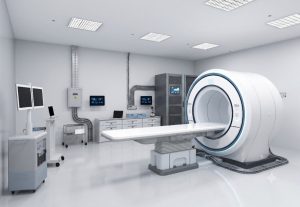
Hospitals are adding more power-dependent diagnostic and monitoring equipment every year, which raises the stakes for whatever sits between the wall socket and the machine.
Types of UPS Systems and Which One Fits a Hospital
There are three broad categories of UPS technology, and the choice depends on the criticality and power requirements of the equipment being protected.
Standby UPS
This switches to battery power only after detecting an outage, with a brief transfer delay measured in milliseconds.
Line-Interactive UPS
Slightly better than standby, with some voltage regulation built in, but still involves a switching delay that most patient-connected devices should not be exposed to.
Online (Double Conversion) UPS
The load runs continuously through the UPS, converting AC to DC and back to AC at all times. There is no switching delay because the equipment never actually senses a change of source. This is why an online UPS for medical equipment is the standard specification across most modern hospital tenders, and why a zero transfer time UPS for medical equipment almost always refers to this category specifically.
What Makes a UPS “Medical-Grade”?
The phrase medical-grade UPS gets used loosely in sales brochures, so it helps to know what it should actually mean in practice.
- Zero transfer time, so connected devices never see even a momentary gap
- A UPS with isolation transformer for medical equipment, separating the output from the input electrically and reducing leakage current risk near patients
- Compliance with relevant electrical safety standards for patient-connected environments
- Battery runtime long enough to cover generator start-up with a safety margin
- Remote monitoring, so facilities staff know about a fault before a nurse does
A medical-grade UPS is not simply a larger version of an office unit. The isolation and leakage current requirements around patient areas mean the internal design has to be different, not just the casing.
Sizing and Capacity Planning
Getting the capacity wrong is one of the most common and most expensive mistakes hospitals make. An industrial UPS for hospitals needs to be sized against the full connected load of the department it serves, plus realistic headroom for future equipment additions, not just the load that exists on the day of installation.
Department | Typical Load Profile | Recommended UPS Approach |
Operating theatre | High, continuous, safety-critical | Dedicated online UPS with isolation transformer per theatre |
ICU/NICU | High, continuous, life support | Redundant online UPS, N+1 configuration |
Diagnostic imaging | High and equipment-specific power requirements | Follow the equipment manufacturer’s power and backup requirements and determine which components require UPS protection |
General wards | Moderate, distributed | Centralised UPS with distribution boards |
Server and data rooms | Steady, moderate | Standard online UPS, extended runtime batteries |
Undersizing a system means it trips under peak load exactly when it is needed most. Oversizing wastes budget and increases running costs unnecessarily, so a proper load audit before purchase saves money on both ends.
Comparing Leading UPS Brands for Hospitals
Not every UPS brand builds specifically for healthcare, and the ones that do vary in how they approach it. We at BTLME supply and support UPS units from Borri, Chloride, Vertiv, ABB, Schneider, Eaton and Poweron, and each brand tends to have a slightly different strength.
- Borri is widely used across hospitals for its long-standing reputation in critical power
- Chloride has a strong track record specifically in healthcare and industrial-grade installations
- Vertiv covers a broad range from small departmental units to large data centre scale systems
- ABB and Schneider both offer strong monitoring software alongside their hardware, useful for facilities teams managing multiple sites
- Eaton is a common choice where budget and proven reliability both matter
- Poweron offers a more cost-conscious option for facilities that still need dependable protection without a premium price tag
The right choice depends less on brand loyalty and more on matching the specification to the department’s actual risk profile, along with how quickly a local team can respond if something needs attention.
Also Read : Industrial uninterruptible power supply
Installation and Maintenance Considerations
A UPS is only as reliable as its maintenance schedule. Batteries degrade over time regardless of brand, and a system that was correctly sized on day one can quietly become undersized as departments add equipment over the following years.
What a Good Maintenance Plan Covers
- Scheduled battery health checks, not just visual inspections
- Load bank testing to confirm the system performs under real conditions
- Firmware and monitoring software updates
- A documented escalation path if a fault is detected outside working hours
Facilities that skip regular servicing tend to discover problems during an actual outage, which is the worst possible time to find out a battery bank has degraded.
Conclusion
Finding the best UPS for medical equipment is less about chasing the highest specification on paper and more about matching the right category, the right capacity and the right maintenance plan to each department’s actual needs. Appropriate continuity of supply, electrical protection, correctly specified capacity and reliable maintenance all matter in a hospital setting. The exact UPS configuration should be matched to the equipment being protected and the requirements of the clinical area. If your facility is reviewing its power protection setup, get in touch with BTLME and we can help assess your current load, recommend the right UPS from our range of Borri, Chloride, Vertiv, ABB, Schneider, Eaton and Poweron systems, and put together a maintenance plan that fits your hospital’s operational needs.